Hearing Timeline
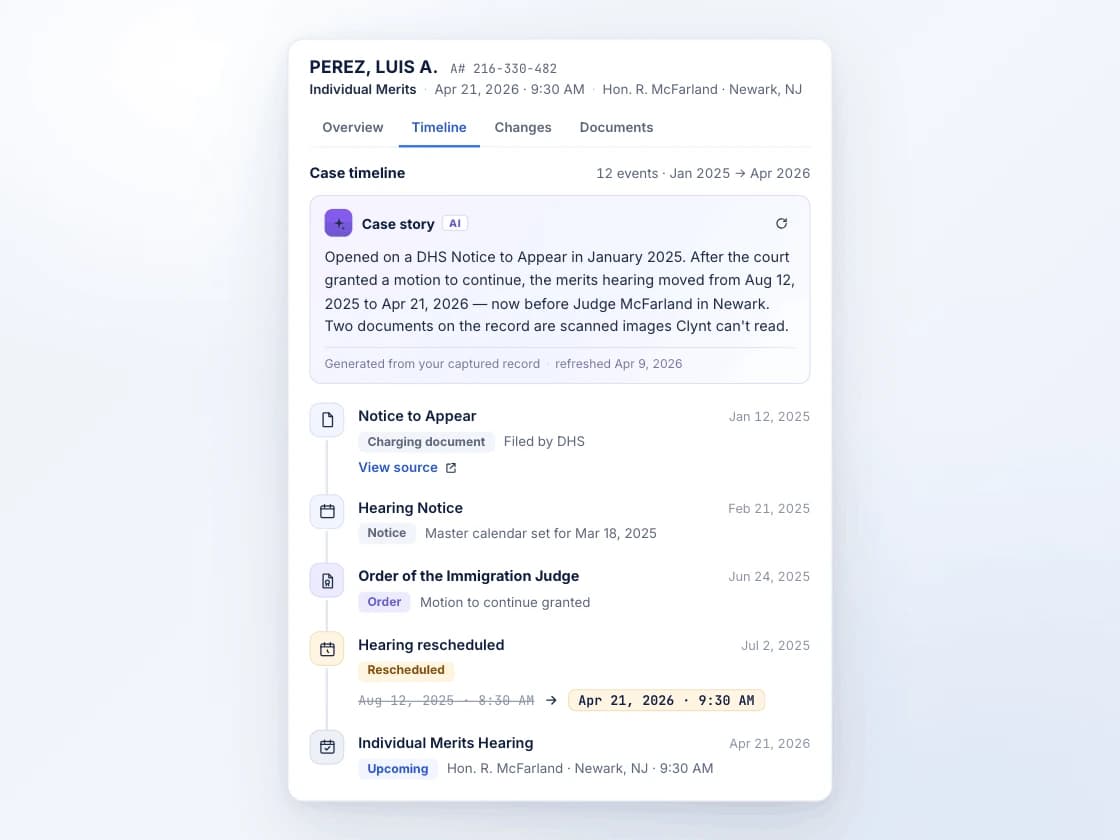
Starter+Review detected hearing changes in chronological order, with a concise plain-English narrative based on the captured hearing data. Use it to orient yourself before verifying against ECAS and your case file.
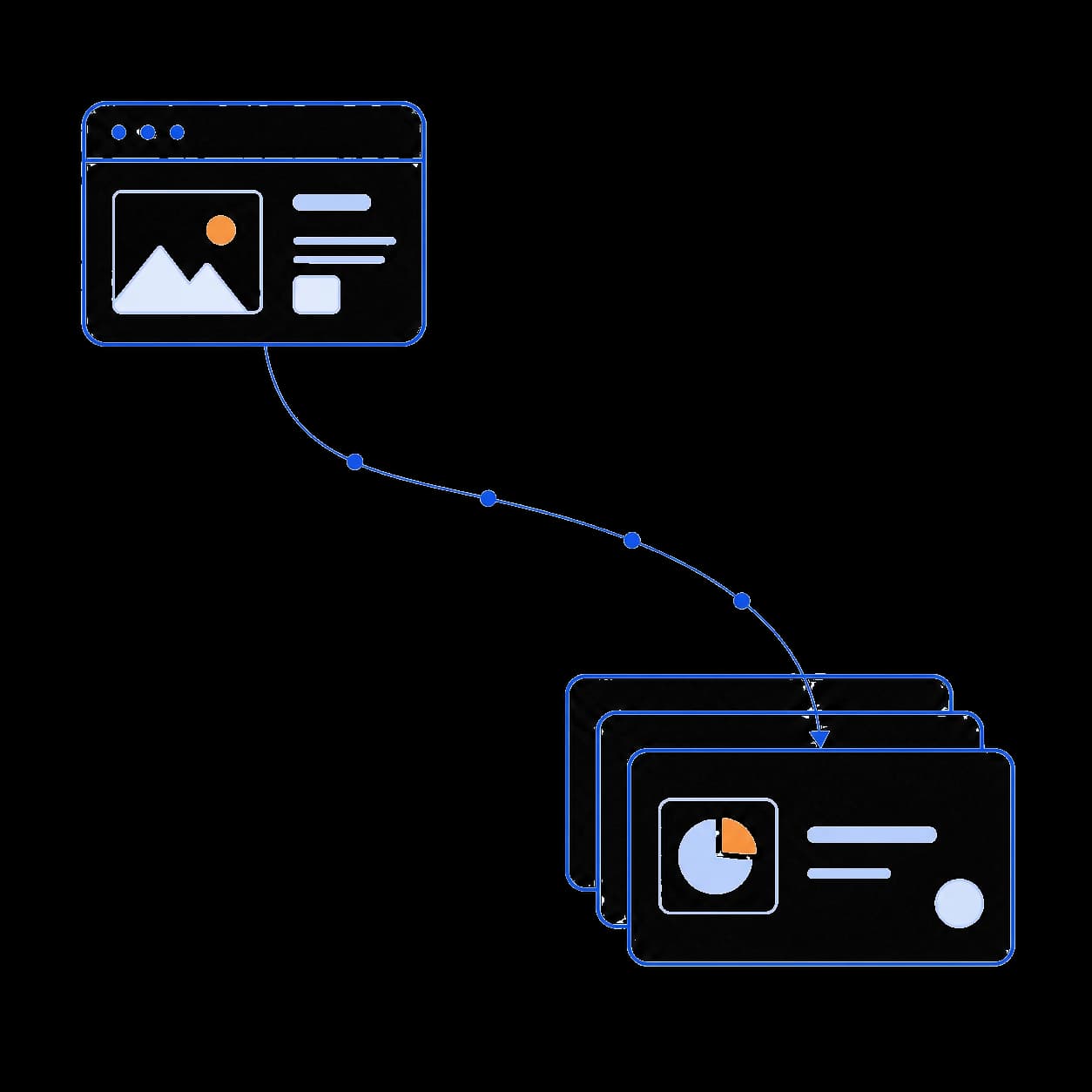
While you're logged into ECAS, Clynt syncs the hearing data your session loads. Use that captured snapshot for morning briefs, hearing timelines, plain-English search, conflicts, and connected calendar updates.
These tools work from hearing data captured through your own ECAS session. AI output is designed to stay within that captured data, but it can be wrong and must be verified against the official record and your case file.

Review detected hearing changes in chronological order, with a concise plain-English narrative based on the captured hearing data. Use it to orient yourself before verifying against ECAS and your case file.

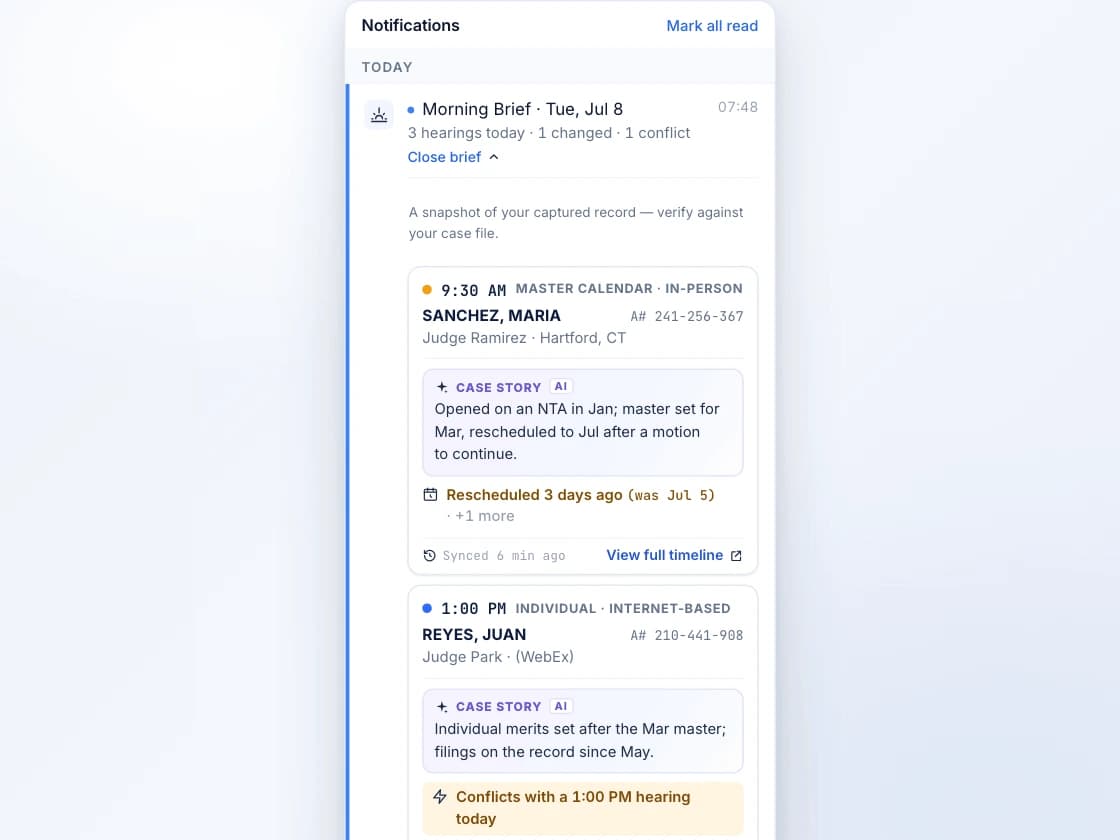
One prep card for every hearing on today's docket — who, when, where, recent detected changes, and whether anything collides. Open the bell to scan today's docket quickly.

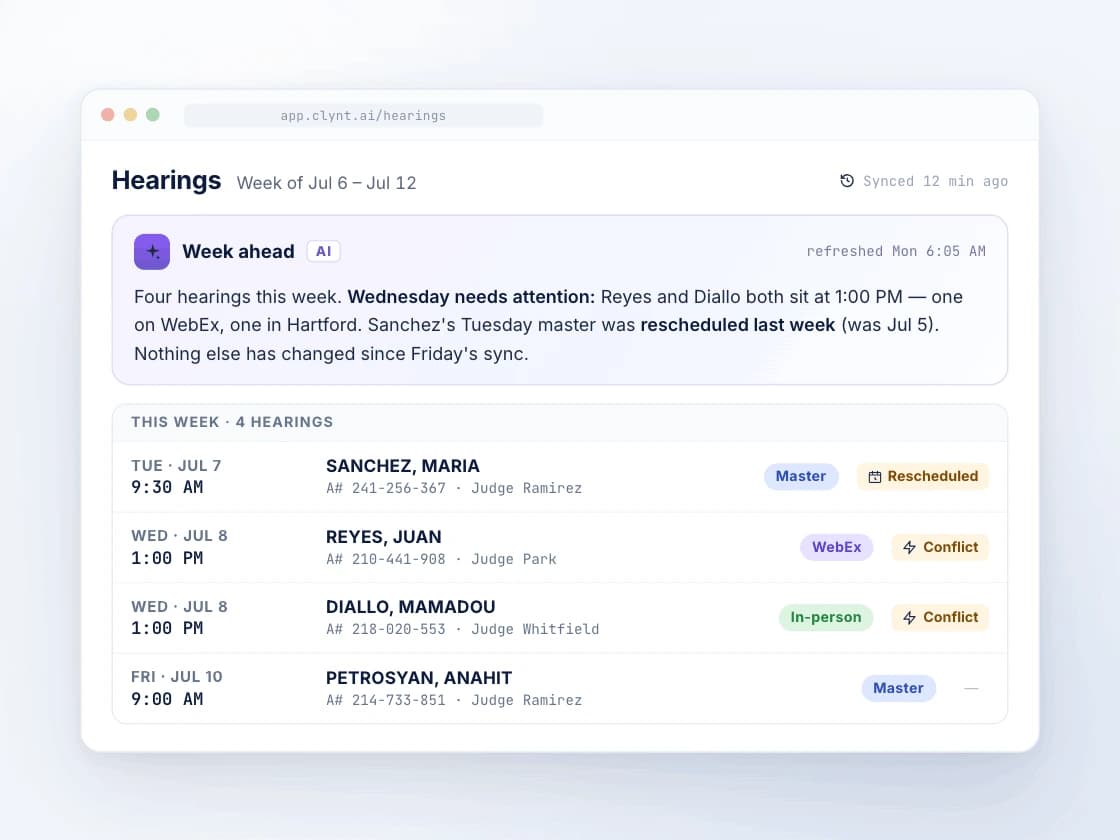
A plain-English read of the week across your whole docket, sitting at the top of your dashboard. Know which day needs attention without opening a single case.

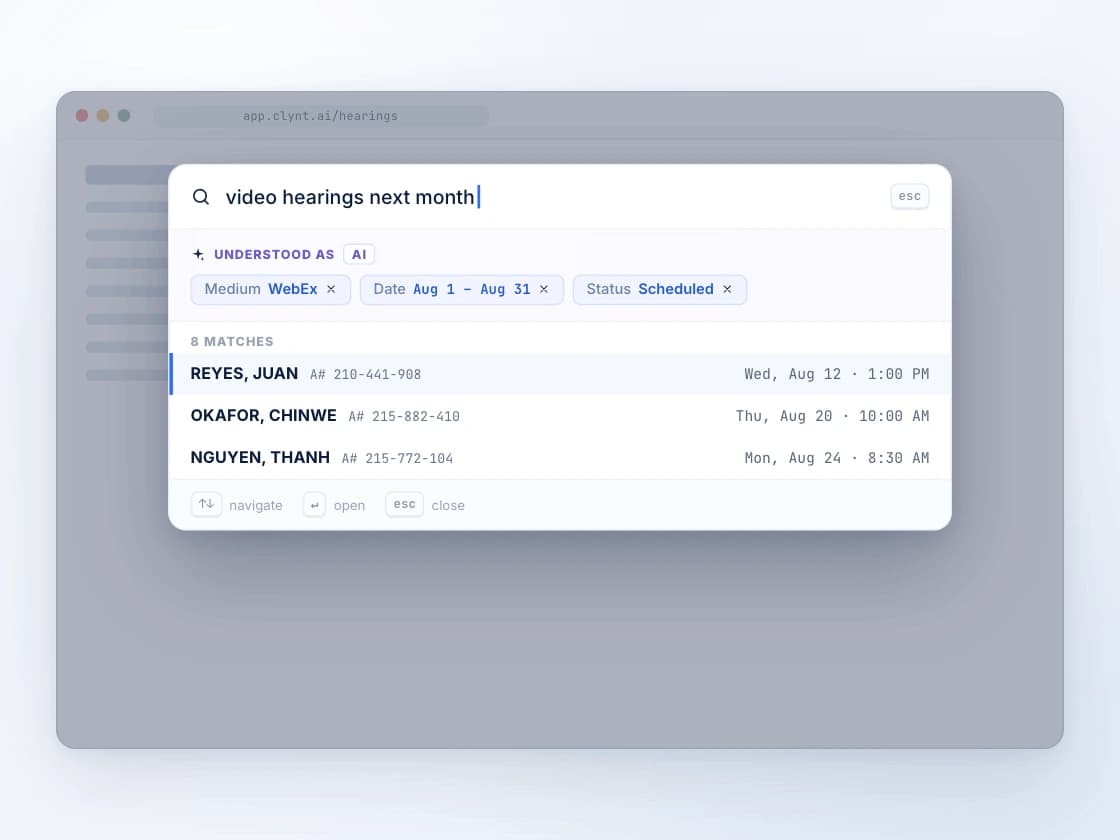
Ask for "video hearings next month" or "everything in front of Judge Ramirez" and Clynt turns it into the right filters. No query syntax to learn — say what you mean.

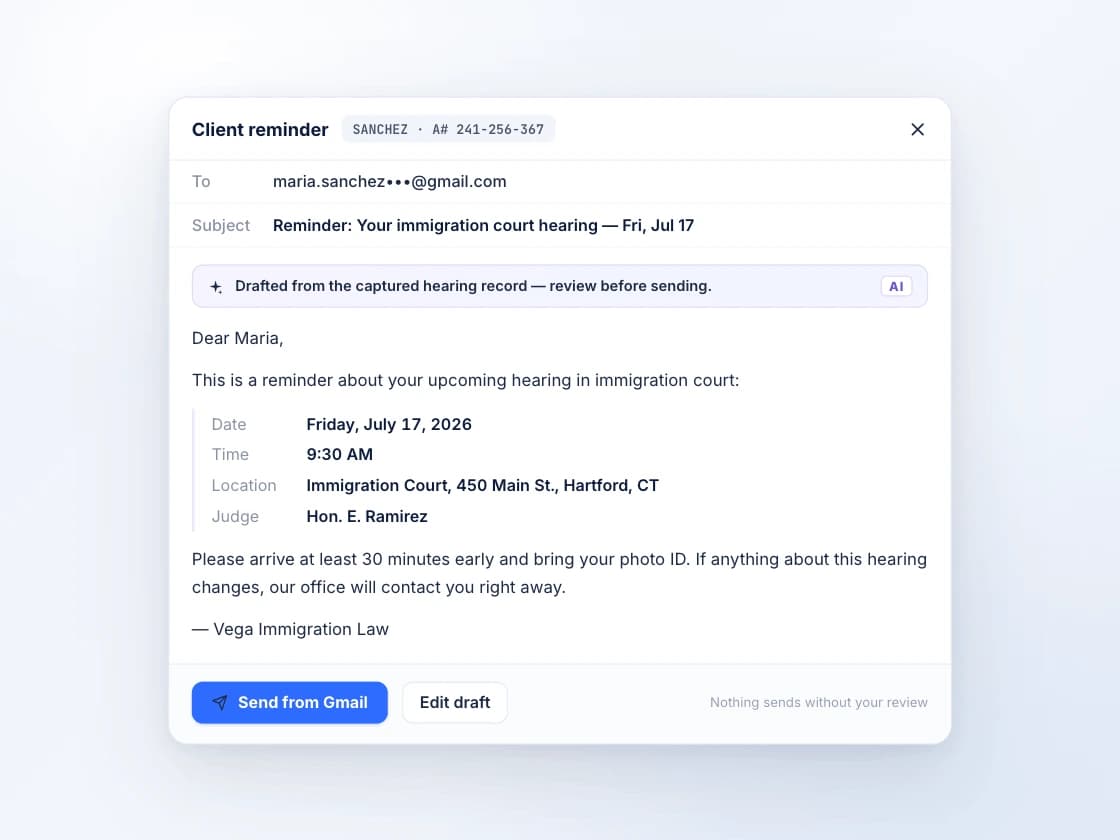
The client reminder email, drafted for you — hearing details already filled in from the record. Review it, then send it from your own mailbox. Nothing goes out without you.

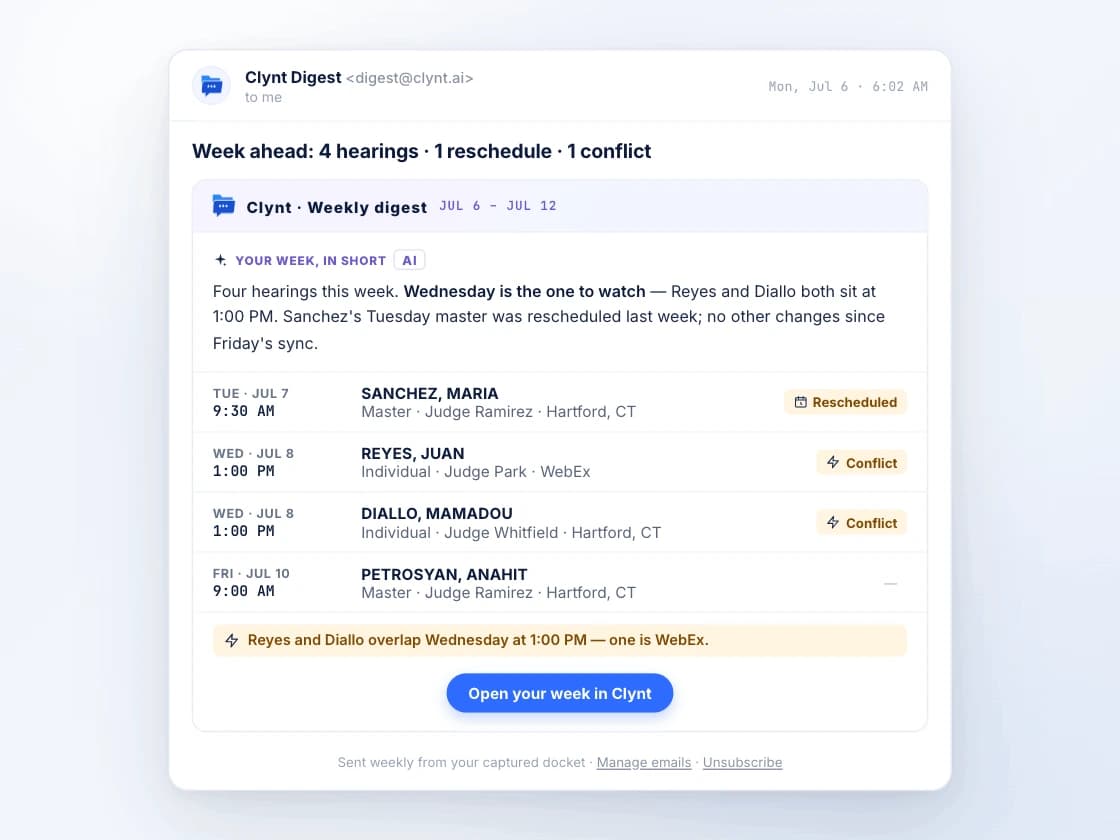
A scheduled email with upcoming hearings, recent detected changes, and conflicts from your captured data. Active organization members can stay oriented without opening the dashboard first.
Four focused jobs — ECAS-session capture, conflicts, change history, and outbound calendar sync. They begin with data captured while your authenticated ECAS session is active.

The extension syncs the hearing data your authenticated ECAS session loads when you enter ECAS and at intervals while that session remains active.

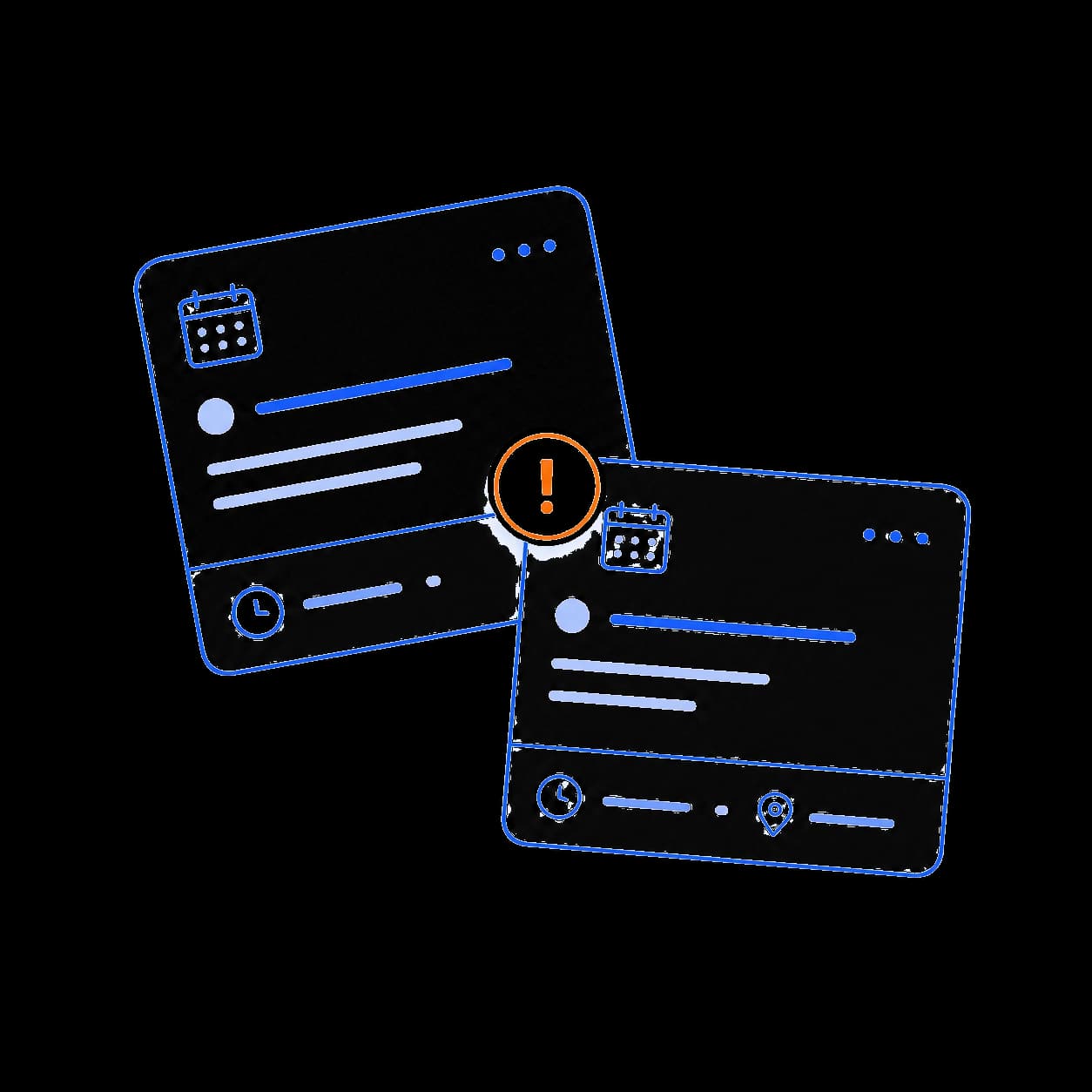
Two hearings on the same morning in different courts? Clynt flags the overlap so you can move one before it becomes a problem.

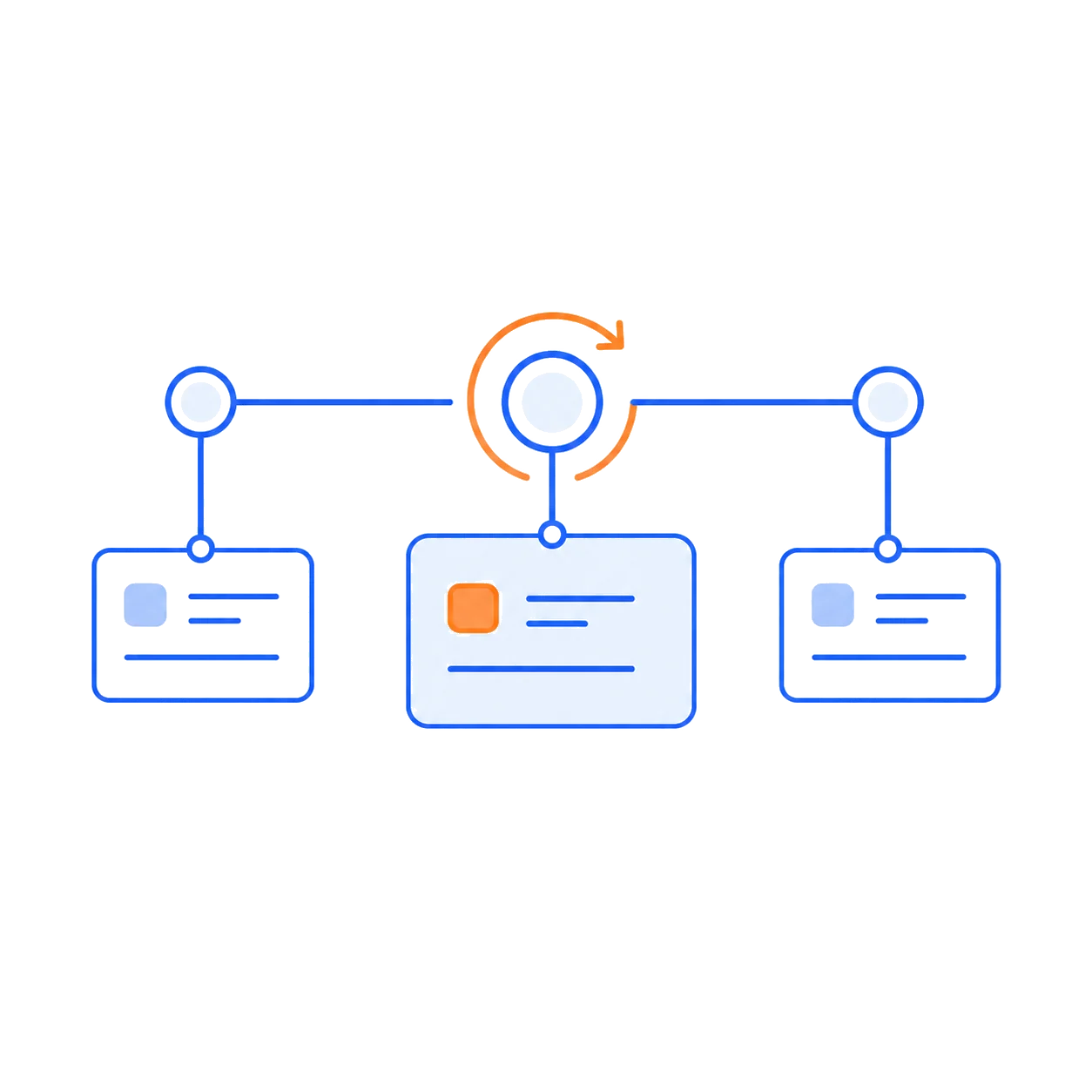
Clynt compares later ECAS syncs with captured hearing history and records material changes such as a new date, time, judge, court, or hearing type. Verify against the official record.

On eligible plans, push hearings to selected Google or Outlook calendars. Detected reschedules can update the corresponding Clynt-created calendar event.
Clynt scopes these AI tools to captured hearing data and shows the sync context you should use when verifying the result.
Hearing summaries use the hearing data Clynt captured through your own ECAS session. Your data is not used to train the AI providers' models.
Relevant cards include sync context so you can tell when the captured snapshot was last refreshed before checking the official record.
Clynt summarizes captured hearing data. ECAS, court notices, and your case file remain the authorities.
AI output can be incomplete or incorrect. Confirm dates, locations, procedural posture, and other material details against the official record before relying on it.
No card is required for the trial. The Chrome extension remains free; continued web-app access requires a paid plan after the trial.